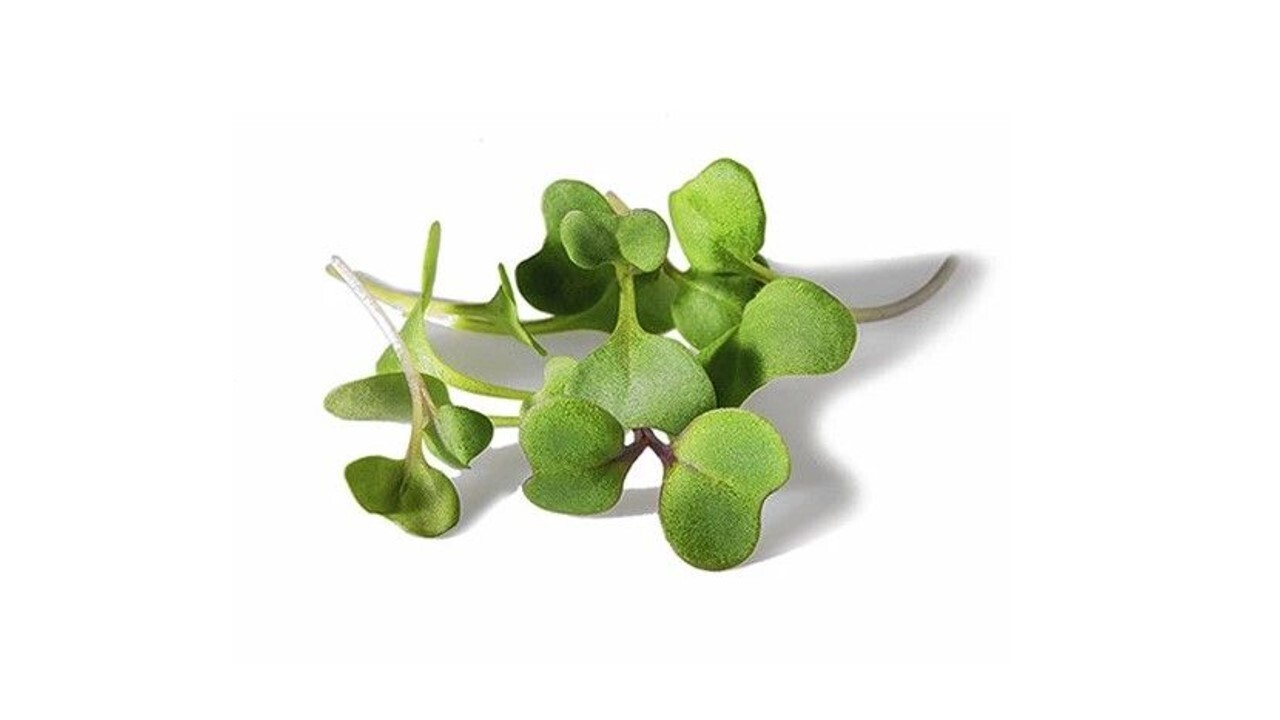
Russian Kale
R349.00
4 x 100g punnets: 1 punnet delivered per week
Discount: 15% for order over R500
4 week subscription
In stock
1
Russian Kale
Product Details
Portion: 100g of pure goodness for 5-6 salads or smoothies
Taste: Russian Kale has a much sweeter taste than mature kale leaves with a very mild mustard like touch
General nutrition: Kale is a powerhouse microgreen. A 100g serving contains 325% RDA of Vitamin K (Vitamin K consumption improves bone health by playing an essential role in bone mineralization and helps to improve how the body absorbs and excretes calcium), 103% of Vitamin C, 26% of Vitamin A, 27% of Vitamin B2, 11% of Vitamin B6, and 15% of Vitamin B9. They are just as rich in mineral with calcium content (25% RDA), iron (20%), potassium (10%), and manganese (40%). It has moderate fiber (10%) content and includes all 9 essential amino acids.
Bioactive compounds: Like most Brassica vegetables, Kale microgreens are an good source of Glucosinolates. "Sulforaphane, as the main breakdown products of Glucosinolates , has been widely studied in the field of medicine and it has been confirmed that it has impressive cancer chemoprevention, neuroprotective, anti-diabetes, and anti-inflammatory effects." - Bioactive compounds in cruciferous sprouts and microgreens and the effects of sulfur nutrition. Wenjing Zeng, Jing Yang, Yong He and Zhujun Zhu
Kale microgreens are also a good source of Phenolic compounds. "The potential health advantages of dietary polyphenols have been outlined in several studies, including antioxidant activity, neutralization of metal ions, prevention of cancer and cardiovascular diseases, management of diabetes and obesity, and anti-inflammatory effects." - Bioactive compounds in cruciferous sprouts and microgreens and the effects of sulfur nutrition. Wenjing Zeng, Jing Yang, Yong He and Zhujun Zhu
Display prices in:ZAR